Galileo Project develops multi-sensor platform for UAP study
The Galileo Project's new multi-sensor computing platform aims to solve poor data quality and transparency issues in UAP research.
Timeline
- Roswell crash where aliens were allegedly recovered alive
- Galileo Project developed the OCICP
- Design and implementation paper for OCICP published
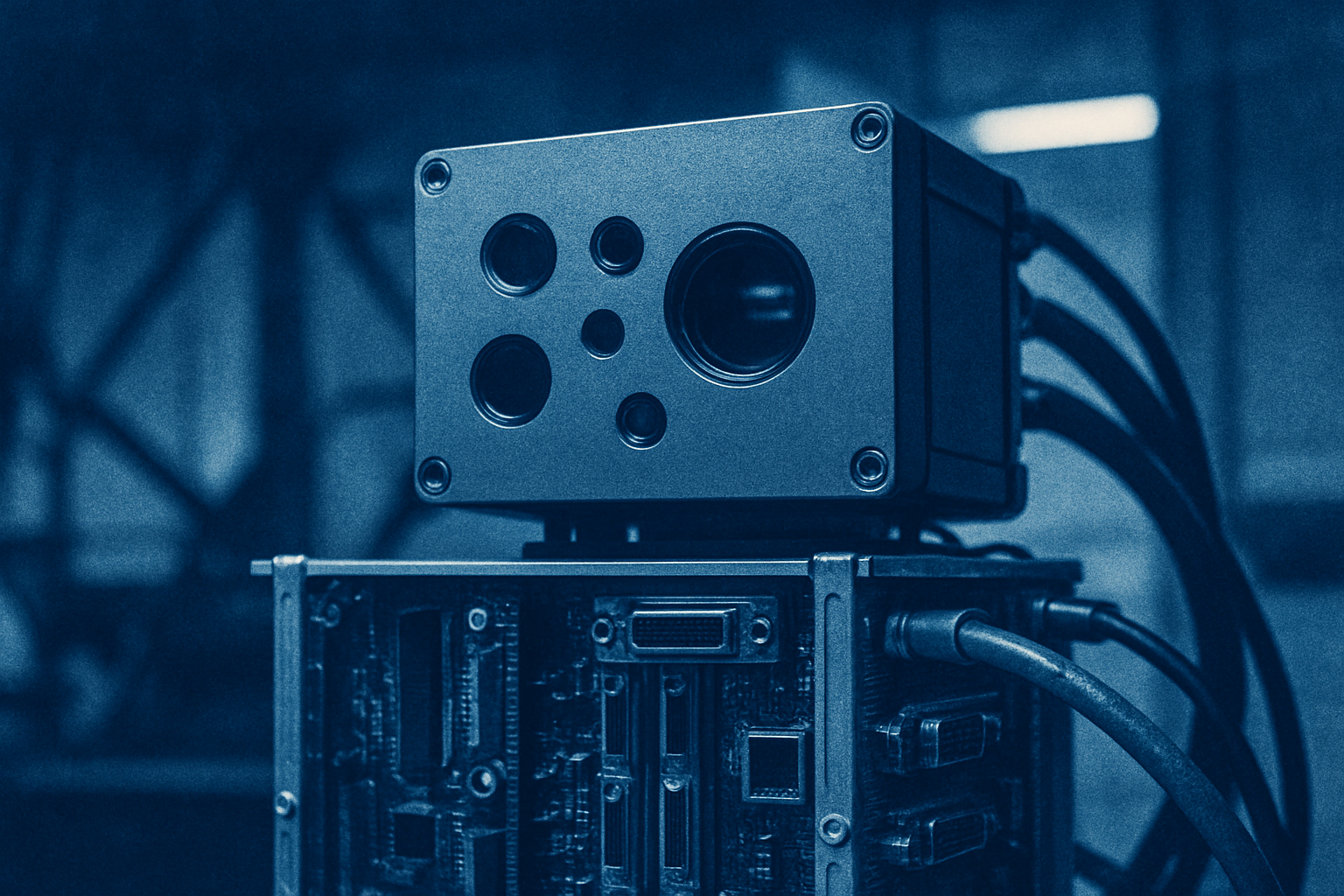
The Galileo Project developed the Observatory Class Integrated Computing Platform (OCICP) on May 30, 2025, a multi-sensor system designed to collect calibrated, scientifically sound data on Unidentified Anomalous Phenomena (UAP).[1][2]
The system aims to replace fragmented and uncalibrated data with a rigorous scientific framework [1]. By standardizing how aerial phenomena are recorded, the project seeks to resolve long-standing issues regarding poor data quality and a lack of transparency in UAP investigations [2].
How the sensor platform operates
The OCICP architecture, detailed in a design and implementation paper published May 30, 2025, splits the workload between two distinct subsystems [1].

The first is the Edge Computing Subsystem, which is located directly at the observatory site [1][2]. This component manages real-time data acquisition, sensor optimization, and data provenance management to ensure the integrity of the information from the moment of capture [1].
The second is the Post-Processing Subsystem, which resides outside the observatory [1][2]. This system handles the broader data analysis workflows, including science operations, census operations, and monitoring the overall effectiveness of the system [2].
The push for tangible evidence
The development of this high-tech network comes as disputes intensify between scientific researchers and former government officials over the existence of recovered technologies.
Jay Stratton, a former Pentagon UFO investigator and former Chief of Air and Space Warfare for the Defense Intelligence Agency, claims the U.S. has recovered non-human bodies and at least a dozen crashed spacecraft [5]. Stratton has specifically alleged that aliens were recovered alive from the 1947 Roswell crash [5].
Avi Loeb, the head of the Galileo Project and leader of a White House Science Advisory Council, has challenged these assertions [5]. Loeb argues that if such evidence existed, it would have been presented to the current administration for political gain [5].
"Why can’t anyone offer President Trump a guided tour to an alien spacecraft or at least some footage of alien bodies?" Loeb wrote on his website [5].
Scientific rigor versus classified claims
Loeb's approach emphasizes the use of open, calibrated sensors to find evidence, rather than relying on testimonies from former officials [1][5].
This tension reflects a broader divide in the field. While figures like Stratton and former AATIP director Luis Elizondo claim the government possesses non-human technology, Loeb maintains that tangible or digital proof has not been provided [5].
The OCICP is designed to bypass these classified disputes by generating its own primary data [1][2]. By focusing on "scientifically sound data," the Galileo Project intends to move UAP study into a verifiable academic discipline [2].
What we don't know
Sources
- Galileo Project Observatory Class System Architecture — arXiv: unidentified anomalous phenomena, May 30, 2025
- Galileo Project Observatory Class System Architecture — doi.org
- Harvard Astrophysicist Challenges Ex-Pentagon UFO Investigator's Claims Of Recovered Alien Spacecrafts And Non-Human Bodies — brobible.com
Further reading
- Senate has a plan for UFO disclosure. Here's what's in it
Details on a NASA role created to move UAP investigation from stigma to science.