Scholar analyzes Vínland sagas to provide new UAP case studies
Researcher Yoav Tirosh uses trauma and UAP frameworks to analyze Icelandic sagas and the failed Norse settlements in North America.
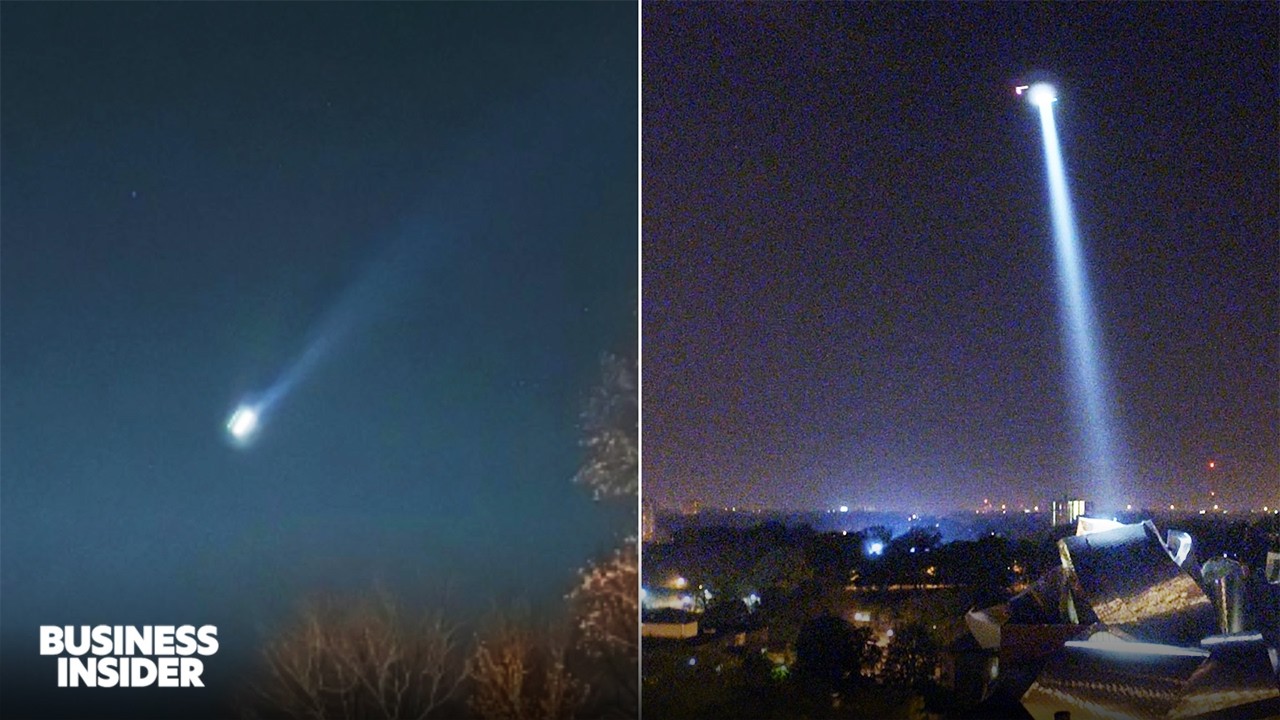
Scholar Yoav Tirosh analyzed the Vínland sagas through trauma and UAP studies on July 12, 2026, interpreting paranormal motifs and frontier encounters as narrative strategies for failed settlement.[1][2]
The research uses multidisciplinary frameworks to examine how medieval accounts of paranormal encounters may reflect the psychological state of early explorers. This approach suggests that ancient narratives can serve as early case studies for unidentified anomalous phenomena (UAP) [6].
Applying UAP and Trauma Studies to the Vínland Sagas
Tirosh's analysis, published July 12, 2026, in Limina - The Journal of UAP Studies, examines the Vínland sagas to explain why early Norse settlements in present-day Canada failed [1][2]. The researcher identifies specific scenes within these Icelandic texts that describe UAP and other paranormal encounters occurring during the short Norse sojourn to what is commonly believed to be modern-day Canada [6][7].
By reading these frontier encounters through the lenses of trauma and UAP studies, Tirosh argues that such motifs functioned as interpretive mechanisms [1][2]. According to the research, these narratives may have been a medieval strategy for processing the collective memory of failed colonial efforts, using paranormal motifs to make sense of the experience [1][2].
The Role of Colonial Memory and Psychological Trauma
The study of Viking culture indicates that sagas often demonstrate how historical trauma was managed outside of a formal medical context [3]. Research suggests that such accounts provide lessons on how trauma is treated on both societal and individual levels outside of clinical settings [3]. Furthermore, some research suggests the Vínland sagas were deliberate 13th-century authorial efforts designed to shape Icelandic identity and colonial memory [5]. These works used narrative structure, ideological orientation, and intertextual comparisons with medieval travel literature to embed social norms and Christian morality within the memory of the colonies [5].
The research also references the "Uncanny Valley" effect, a concept first described by roboticist Masahiro Mori in 1970 [8][9]. This effect refers to the eerie discomfort and negative emotional response humans feel when interacting with anthropomorphic artificial characters—artificial entities designed to simulate human appearance and behavior to improve social interaction—that appear almost, but not quite, human [8][9].
Mori's theory suggests this effect distorts smooth interaction or emotional connection [8][9]. While modernly applied to androids and zombies, the dossier notes that associations between eeriness and human-like appearance appear throughout history, including the demons of the Dark Ages, the fantasies of Pygmalion, and the ancient Greek myth of Prometheus [8][9].
Interpreting Medieval Narratives as Testimony
Some UAP researchers treat these saga materials as cultural testimony rather than direct empirical evidence [10]. This distinction acknowledges that ancient witnesses described events using the metaphors, beliefs, and "mental furniture"—including theology, symbolism, and literary convention—of their own era [10].
One such example is found in the Annals of Ulster, a medieval Irish chronicle [10]. The document records an account of "ships with their crews" appearing in the air above Cluain Moccu Nóis (Clonmacnoise) [10]. Because this report lacks modern technical data, such as radar or chain-of-custody photographs, researchers treat it as a human report preserved by a culture with specific narrative habits [10].
According to the UAPedia entry, Michael McCaughan emphasizes that the concept of "ships in the air" requires understanding the "cultural gulf" between medieval and modern thinking [10]. McCaughan treats these "airship" accounts as mirabilia traditions—wonders that exist on the boundary between the natural and the sacred—rather than attempting to flatten them into modern categories [10].
What we don't know
- What specific scenes in the Vínland sagas does Tirosh identify as UAP encounters?
- How does Tirosh link the "Uncanny Valley" specifically to the Vínland sagas?
- To what extent do the identified paranormal motifs in the sagas correlate with documented archaeological findings in Canada?
Sources
- Trauma, UAP, and the Phenomenon in the sagas of Vínland: Tales from the Uncanny Vallée — Limina - The Journal of UAP Studies, Jul 12, 2026
- Trauma, UAP, and the Phenomenon in the sagas of Vínland: Tales from the Uncanny Vallée | Published in Limina - The Journal of UAP Studies — doi.org
- Trauma in the Middle Ages: The Viking Experience of Trauma through Saga — pdxscholar.library.pdx.edu
- Vinland Sagas Research Papers - Academia.edu — academia.edu
- [PDF] Trauma, UAP, and the Phenomenon in the sagas of Vínland: Tales ... — semanticscholar.org
- PDF Limina — The Journal of UAP Studies — limina.scholasticahq.com
- Historical, Cultural, and Aesthetic Aspects of the Uncanny Valley — link.springer.com
- Historical, Cultural, and Aesthetic Aspects of the Uncanny Valley — link.springer.com
- Sky Ships and Hidden Folk: Celtic and Norse UAP Lore - UAPedia — uapedia.ai